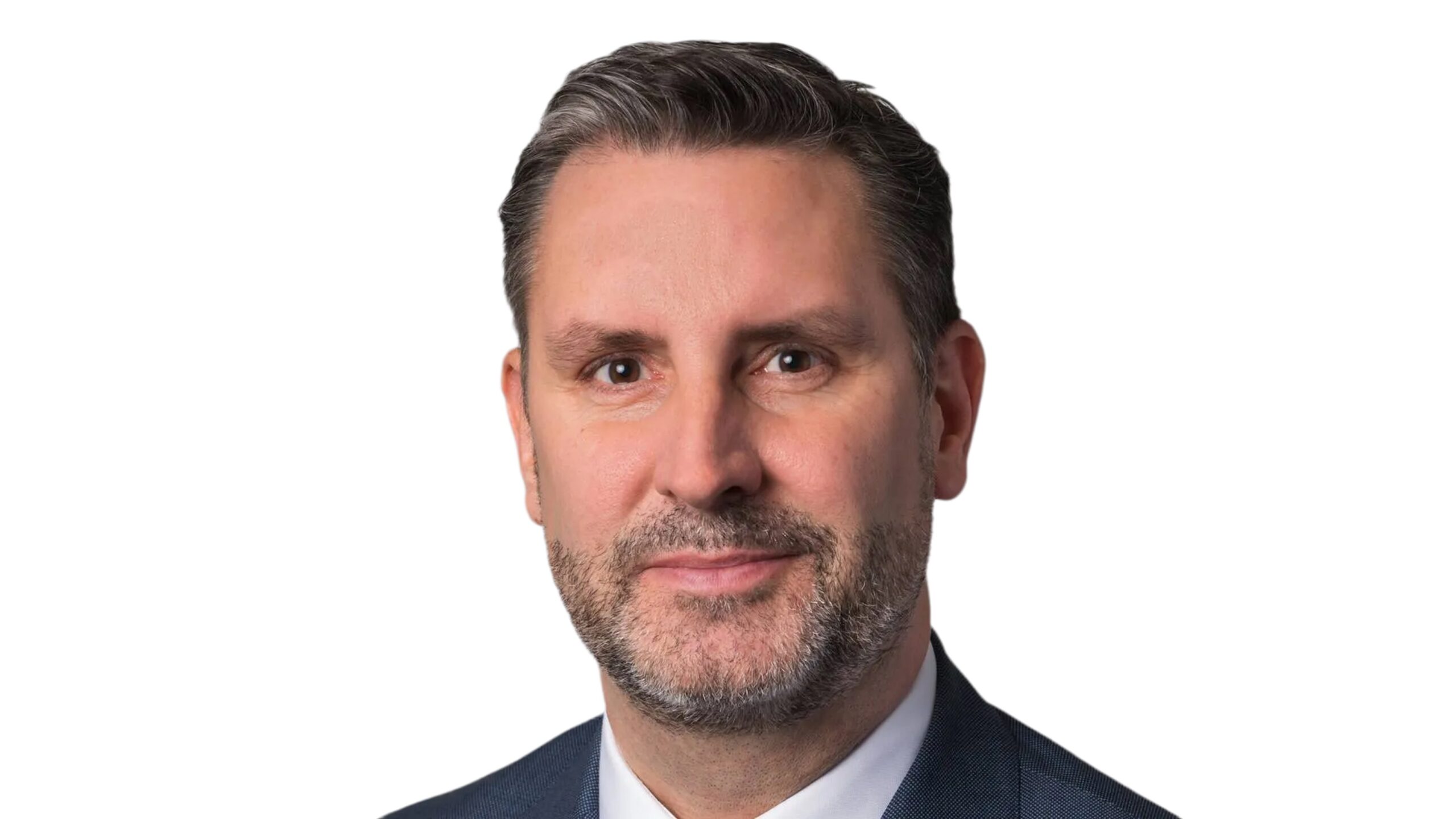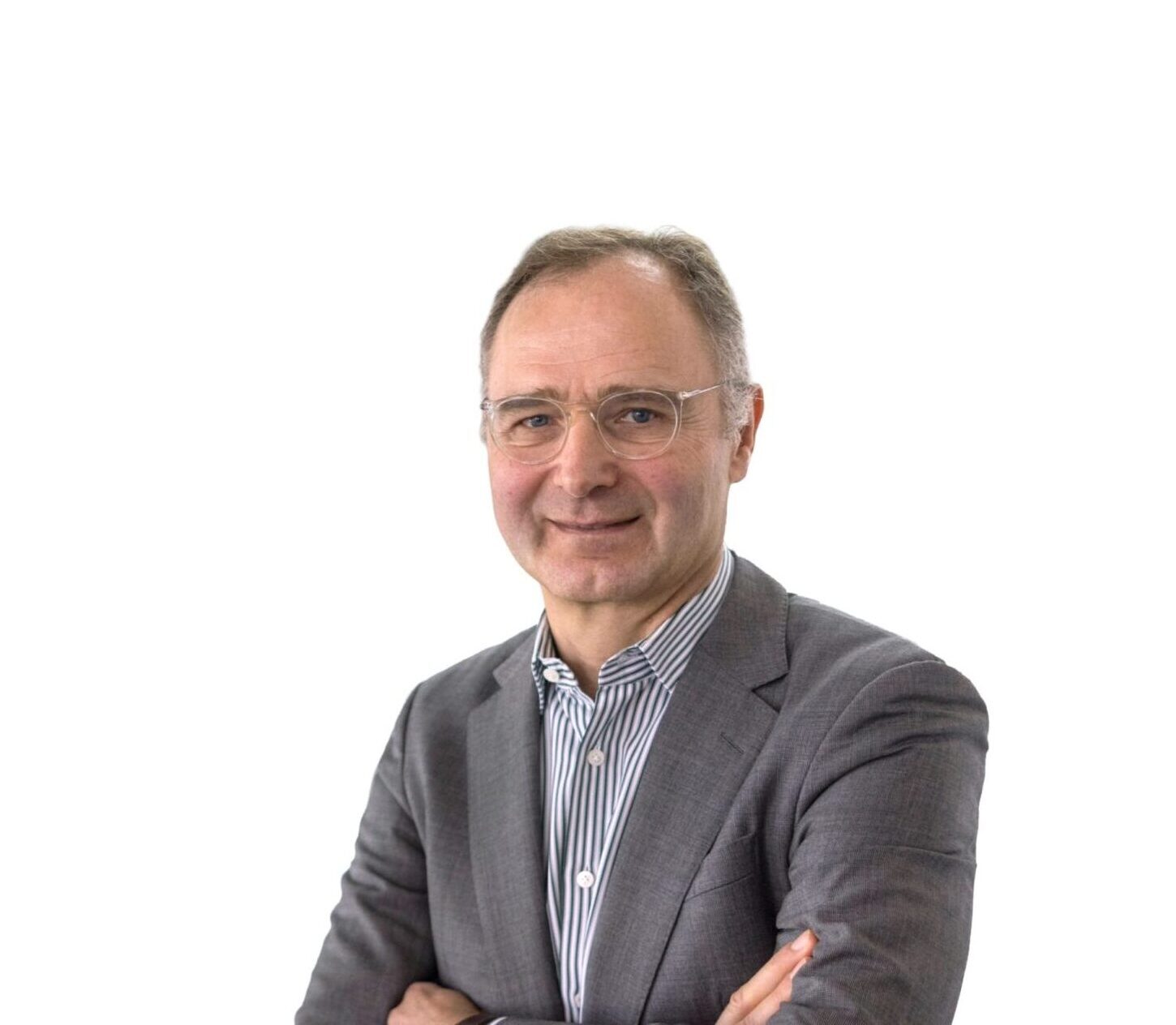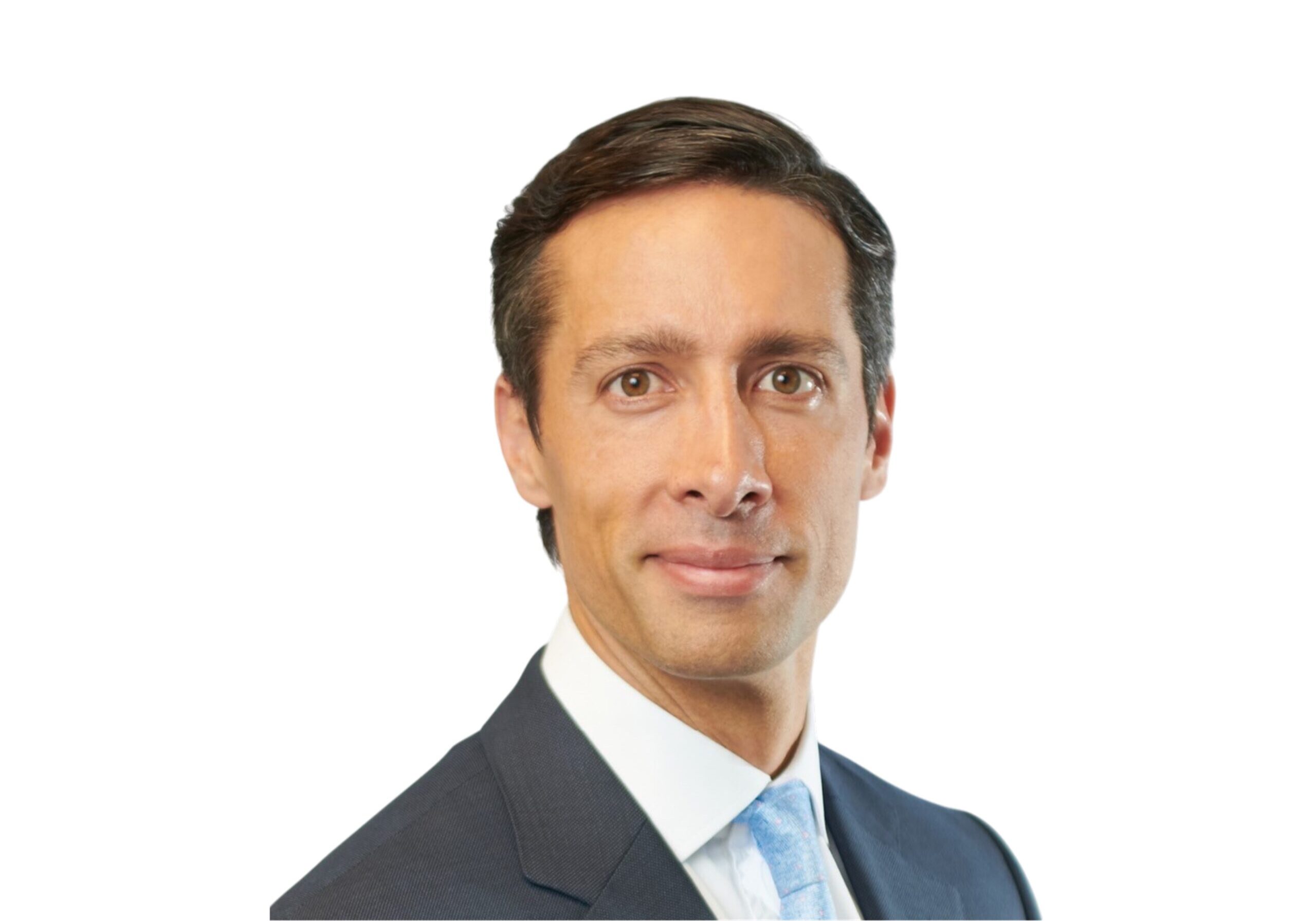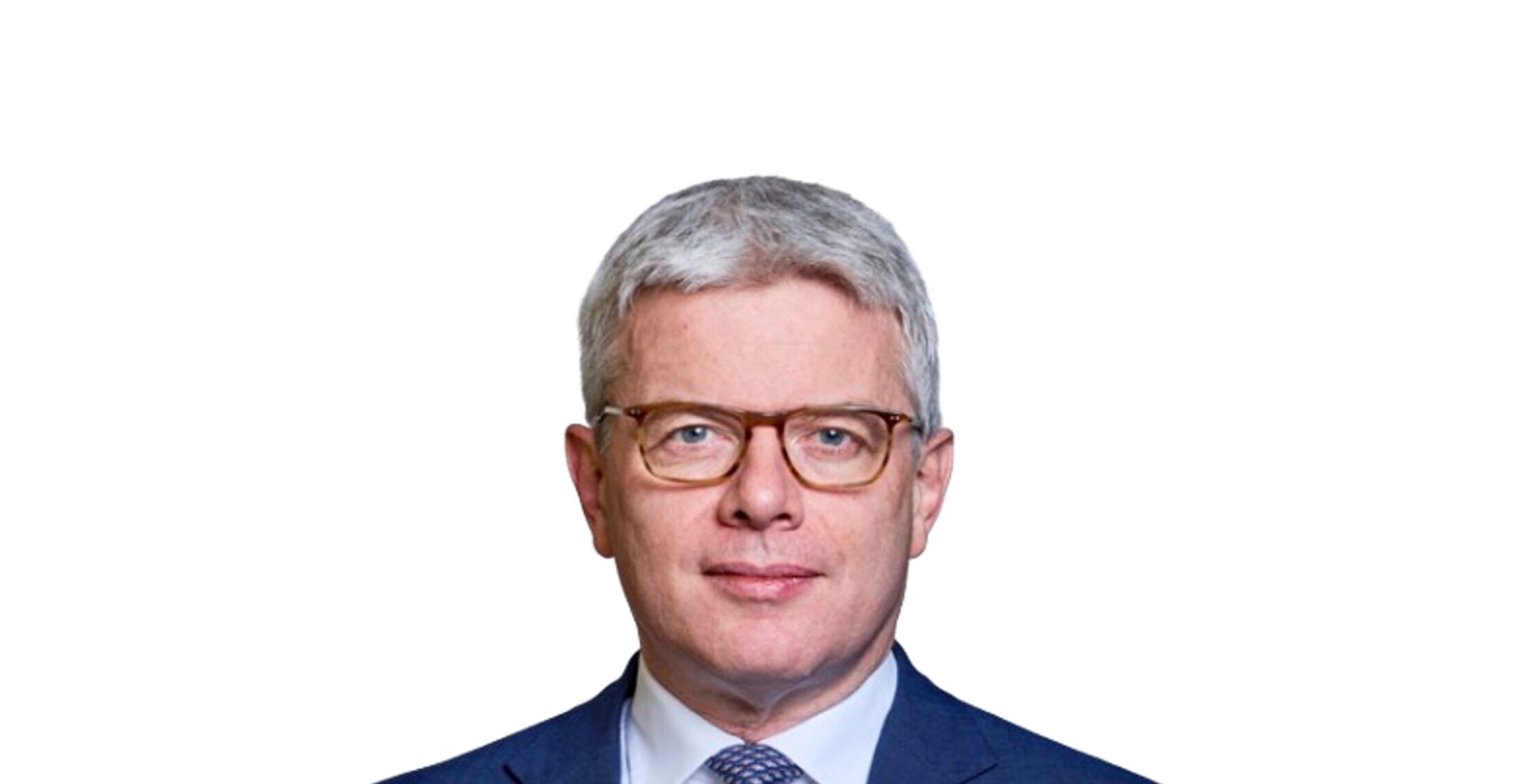

Mr. Schenck, Ms. Schaffer, a warm welcome to this „Deal Insight“ interview. The TenneT transaction stands out not only for its sheer size, but also for the complexity of its structure: a Dutch state-owned issuer, a German subsidiary, three major institutional investors, and ultimately KfW on behalf of the German government. When the mandate first landed on your desk, what was your initial reaction, and how clear was the path forward at that point?
Marcus Schenck: I knew the asset well from my time as CFO at E.ON. In 2010, I led the sale of TenneT Germany to TenneT Netherlands, which is wholly owned by the Dutch state. From the outset, it was clear that this would be a highly sophisticated transaction. First, the business required a very substantial amount of fresh capital. Second, TenneT is operating infrastructure that is fundamental to Germany’s energy system and industrial competitiveness. That naturally meant the German government took a very close interest in the long-term ownership structure and strategic direction of the asset. At that time, political discussions in the Netherlands had already intensified around the scale of investment required in Germany and the question of how much of that burden Dutch taxpayers should carry. Balancing those dynamics was ultimately what made the transaction both highly attractive and exceptionally demanding from an investment banking perspective.
Marlin Schaffer: By the time we got appointed as advisors, the situation had already attracted significant market speculation and extensive press coverage. There was broad awareness that a long-term solution for the asset was being explored. That naturally increased the visibility around the process, but it also made the mandate particularly compelling for us to help shape and execute the process.
The TenneT transaction was selected as the subject of Lazard’s inaugural „Behind the Deal“ episode. What does that choice reflect about the significance this deal holds within the firm and what made it the right mandate to open this format with?
Marcus Schenck: The transaction stood out because of its scale, strategic relevance, and complexity. TenneT operates a critical part of Germany’s high-voltage transmission grid, making the business central to the energy transition. At the same time, the transaction involved two sovereign governments, multiple investors, and one of the largest infrastructure investment programmes currently underway in Europe. This was not simply a financing transaction. It sat at the intersection of energy policy, industrial policy, and capital markets. It also reflected something important about how we work as a firm. Delivering the transaction required seamless collaboration across multiple offices, teams, and product areas. That made it a strong example of the kind of integrated advisory work we increasingly do across Europe.
Marlin Schaffer: The transaction brought together exactly the elements that play to Lazard’s strengths: complex stakeholder dynamics, large-scale capital requirements, and cross-border execution across multiple jurisdictions. Delivering a successful outcome required not only sector expertise and capital markets experience, but also the ability to coordinate seamlessly across teams, investors, governments, and workstreams.
In the „Behind the Deal“ video, it was mentioned that the decision between the M&A and the IPO track was a very difficult one. What were the main advantages of the M&A track, and the main disadvantages of the IPO track in TenneT’s specific case? And zooming out from there: the number of listed companies in Germany has fallen from 761 in 2007 to 435 in 2024. What factors are currently shaping companies‘ preference between public listings and private capital in Europe?
Marlin Schaffer: In the case of TenneT Germany, the key advantage of the M&A route was certainty. The company had a very substantial long-term equity requirement, and the M&A process allowed investors to commit that capital upfront while providing flexibility around the timing of the funding. For a business managing a multi-year infrastructure build-out, that level of capital certainty is extremely valuable. It reduces financing risk and creates stability for management and shareholders alike. That said, both tracks were credible alternatives throughout the process. Ultimately, the ability to secure long-term committed capital became the decisive factor.
Marcus Schenck: First, the amount of available private capital has increased enormously over the last two decades. Historically, companies often went public because public markets were the only realistic source of large-scale capital. That is no longer the case to the same extent. Second, Europe still lacks a truly integrated capital market. Compared to the United States, liquidity and market depth remain significantly more fragmented. That continues to influence how companies think about public versus private capital.
Pricing a regulated infrastructure asset of this scale is notoriously challenging: cash flows are long dated, the regulatory framework evolves and directly determines allowable returns, and TenneT Germany alone is planning to invest around EUR 67bn between 2026 and 2030. KfW later invested on the same purchase-price valuation basis as the three institutional investors. How did you arrive at a valuation that was acceptable to TenneT and its sole shareholder, the Dutch state, to three institutional investors with different mandates, and later also served as the basis for KfW’s investment on behalf of the German government?
Marcus Schenck: At the core, there were really three questions: First, how do you value a regulated asset of this scale? Second, how do you align multiple stakeholders around a common valuation? And third, how does KfW fit into that framework? For a regulated infrastructure business, the valuation is fundamentally driven by the regulated asset base, the future investment programme, and the allowed return on that investment. In TenneT Germany’s case, investors had relatively strong visibility on the long-term development of the asset base because the CapEx programme had already been defined in close coordination with regulators and government stakeholders. The main variable was therefore how the regulatory framework and permitted returns would evolve over time.
Marlin Schaffer: That gives you a very high degree of certainty about how the grid will develop over the coming years. Investors ultimately built their own valuation frameworks around assumptions for how that return profile could develop over the next decade and beyond. While nobody can predict those outcomes with certainty, the process is still more transparent than in many other sectors because the investment requirements and regulatory structure are relatively visible.
Marcus Schenck: The beauty of an asset like this is that it is easier to model than many other businesses because you have strong visibility around how the asset base will evolve over time. The key uncertainty is ultimately the regulatory framework and the allowed return. Investors also recognised that the sector will continue to require substantial long-term capital, which supports a constructive regulatory environment. This was also a highly competitive process, with several alternatives on the table, including a potential IPO. That competition was an important driver of valuation. For public-sector stakeholders, having a clear private-market benchmark was critical. The transaction with the institutional investors established that reference point and enabled subsequent investments on the same valuation basis.
This deal is widely seen as a milestone for Germany’s infrastructure. Could you walk us through what exactly the capital raised will be invested in and how you framed the long-term strategic significance of these investments to the institutional investors you were working with?
Marlin Schaffer: The core investment theme is the energy transition. Across Europe, renewable and decentralised generation capacity is growing rapidly, and connecting that new capacity requires very significant investment into transmission infrastructure. In TenneT’s case, offshore wind in the North Sea is a major driver of that build-out. A substantial part of the investment programme will therefore go into offshore connections and the broader expansion of the German grid. What makes the asset particularly attractive for long-term infrastructure investors is the visibility around the investment programme and the relatively stable regulatory framework supporting it. That creates a level of predictability which is relatively rare at this scale.
Marcus Schenck: The other important point is that investors place a very high degree of trust in infrastructure assets operating within the German regulatory framework. For long-term infrastructure capital, that stability and predictability remain highly attractive.
This mandate required close collaboration between your teams in Frankfurt, Munich, Amsterdam and Paris, alongside your co-advisor ABN AMRO. How do you structure a team across that many offices and organisations without losing coherence in the advice you give to the client?
Marcus Schenck: At Lazard, cross-border collaboration is standard for transactions of this scale. Most situations require a combination of local market expertise, sector expertise, and product expertise across multiple teams and offices. What made this situation more unusual was the dual-track process. Both the M&A and IPO tracks remained fully active for a long period of time, which required very close coordination to ensure the advice stayed aligned and credible throughout the process.
Marlin Schaffer: I fully agree. The complexity was high, but the operating model itself reflects how we increasingly work as a team on large-scale transactions across Europe.
For many young professionals today, having real impact in their work has become one of the most important career criteria. The TenneT transaction is a prime example of the kind of impact an investment banker can have, shaping not just a single company, but a piece of critical national infrastructure. From your perspective, how important is high-quality advisory work on M&A and capital markets transactions for Europe’s broader competitiveness?
Marlin Schaffer: The opportunity to work on transactions with real economic and societal relevance is certainly an important part of the appeal of the profession of an investment banker. The TenneT transaction was a particularly strong example of that. It was also an exceptionally demanding process. Running both the M&A and IPO tracks in parallel until very late in the process required very close coordination across all parties involved. High-quality advisory work is crucial in delivering a successful outcome.
Marcus Schenck: People in this industry have the opportunity to work on situations that have an impact, whether for economies, industries, technologies, or critical infrastructure. Transactions of that size are particularly rewarding because you can see the broader relevance and long-term impact very directly. At the same time, impact is not only measured by the size or visibility of a transaction. Some of the most meaningful work happens on a much smaller scale. Those transactions may never make headlines, but they are enormously important for the companies, entrepreneurs, and stakeholders involved. That variety is part of what continues to make the investment banking profession so exciting.
Mr. Schenck, you have spent decades advising on some of the most complex transactions in European finance. Ms. Schaffer, as Vice President at Lazard you were deeply involved in this deal throughout. What does each of you personally take away from a transaction of this magnitude and is there something about this experience that resonates differently at different points in one’s career?
Marcus Schenck: For me personally, this was a very special transaction because it brought me back to an asset I had already worked on more than a decade ago during my time at E.ON. Even then, the central question was how to provide a strategically important infrastructure business with the long-term capital it required. Revisiting that same asset years later in a very different context was rewarding. What I will also remember is the level of cooperation across all stakeholders involved, including both governments. Transactions like this inevitably involve different interests and perspectives, so helping find alignment and move the process toward a successful outcome is particularly rewarding as an investment banker.
Marlin Schaffer: For me, one of the key takeaways was that even very complex situations become manageable when everyone is aligned around a common objective. This transaction involved governments, investors, advisers, and company representatives across multiple jurisdictions, and part of the advisory role is to help bring those perspectives together and maintain momentum through the process. Seeing that come together successfully was a very valuable experience.
To close, looking ahead: TenneT is unlikely to remain an isolated case given the scale of Europe’s energy transition, defence build-up and digital infrastructure needs. What kind of transactions do you expect to define the next two to three years in European finance, and where do you see the most interesting work emerging?
Marcus Schenck: I see three major themes shaping European finance over the coming years. The first is infrastructure. Europe will continue to require enormous amounts of capital for electricity networks, transportation infrastructure, and digital infrastructure. Given the scale of investment needed for the energy transition alone, transactions like TenneT are unlikely to remain the exception. The second is greater European scale and consolidation. Europe needs stronger pan-European players that can compete globally. Defence is an obvious example, where increased investment and cross-border consolidation could help create genuine European champions. The third is technology and innovation. Europe continues to produce a remarkable number of young technology companies, and supporting those businesses with long-term growth capital will remain highly important.
Marlin Schaffer: All three areas combine strategic relevance, capital intensity, and long-term impact, which naturally makes them very compelling from an investment banking perspective. Whether in infrastructure or technology, these are ultimately sectors where capital and advisory work can play a meaningful role in shaping long-term economic development across Europe.
Watch the full „Behind the Deal“ episode: https://youtu.be/qdkeAH8dfL4